Stay Warm: The Definitive Guide to Gas Fireplace Installation
Gas-powered fireplaces deliver a blend of comfort and efficiency, turning everyday living areas into cozy havens. This comprehensive guide covers the key steps involved in choosing and setting up a gas fireplace, providing both secure operation and practical functionality. From exploring the key benefits to planning the installation process, every detail plays an important role. As homeowners consider these elements, they may wonder about the specific benefits and design options available. Achieving a warmer and more comfortable home starts with well-informed choices.
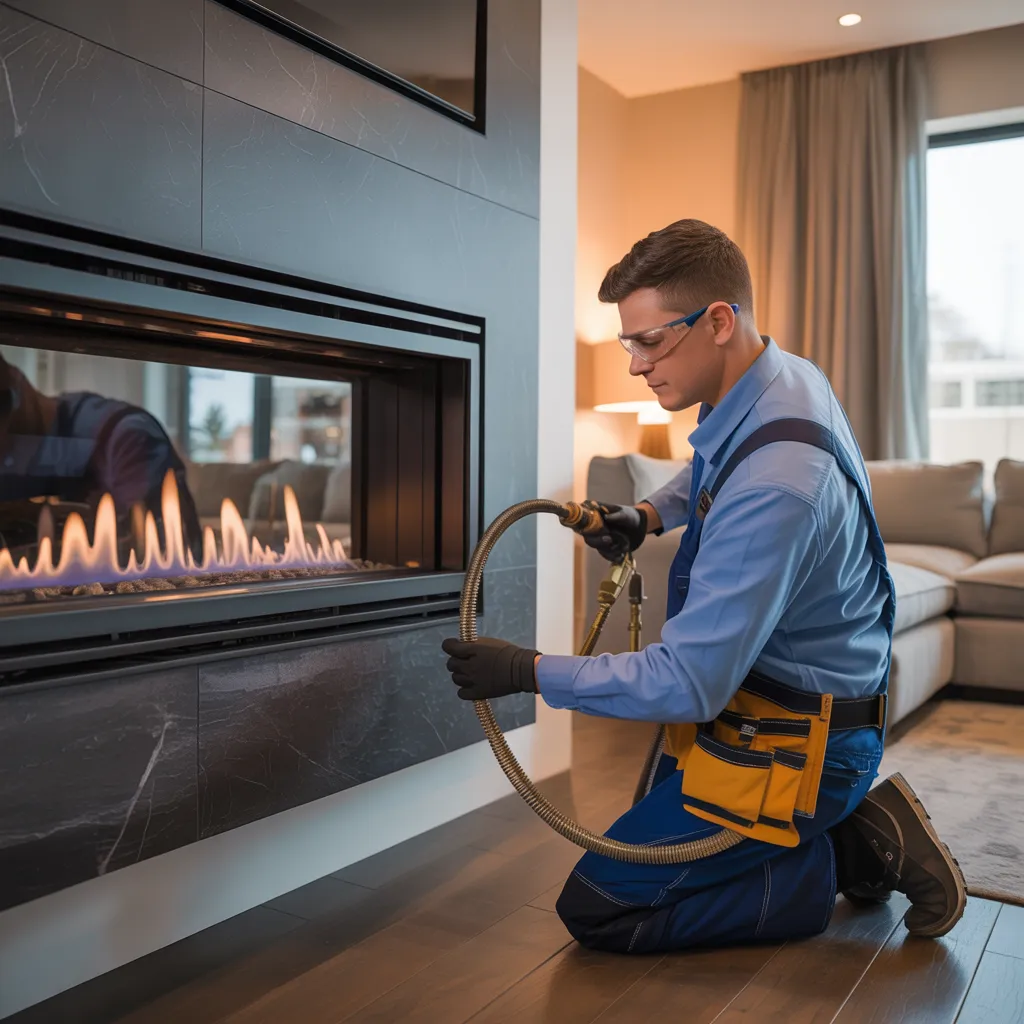
Reasons You'll Love Owning a Gas Fireplace
A gas-powered fireplace converts a living space into a cozy retreat, delivering heat and atmosphere with the easy flip of a switch. In contrast to standard wood-burning alternatives, gas fireplaces provide the convenience of instant heat, eliminating the need for chopping wood supporting information or dealing with ashes. Their technology supports consistent temperature control, making them an ideal choice for all-season comfort.
Moreover, gas fireplace units come in a variety of styles and designs, naturally harmonizing with different décor themes. These units require reduced upkeep than traditional wood-burning fireplaces, as they emit lower levels of emissions and eliminate the need for regular chimney cleaning. This environmentally conscious feature resonates with environmentally conscious homeowners.
Additionally, the safety features of contemporary gas fireplaces, including automatic shut-off valves and glass enclosures, enhance peace of mind. Ultimately, a gas-powered fireplace not only improves the visual appeal of a home but also provides a comfortable and welcoming ambiance for family members and guests alike.
Selecting the Ideal Gas Fireplace for Your Home
Selecting the best gas fireplace entails evaluating various factors to ensure it meets both visual and practical needs. Homeowners should first evaluate the size of the space, as the size and heating capacity of the fireplace must suit the room's requirements. Aesthetic considerations, such as traditional versus modern designs, play a vital role in guaranteeing the fireplace matches the existing aesthetic.
The type of fuel used is another key factor to consider; natural gas and propane offer different installation and performance characteristics. Furthermore, venting options—direct vent, vent-free, or B-vent—impact airflow and safety.
Energy efficiency ratings deserve careful attention; higher efficiency models can lead to reduced energy costs. Finally, evaluating the manufacturer's reputation and warranty options can provide peace of mind regarding the fireplace's longevity and service. By carefully weighing these factors, homeowners can select a gas fireplace that improves both the coziness and atmosphere of their home.
Important Installation Elements for Gas Fireplaces
When setting up a gas fireplace, the location must be carefully considered for peak performance and safety. Furthermore, knowing the venting specifications is critical to secure appropriate airflow and adherence to guidelines. These factors play a significant role in the general efficiency and operation of the gas fireplace.
Factors for Selecting a Location
Selecting the ideal location for a gas fire unit is essential for maximizing its performance and safety. Aspects such as room size, layout, and existing structures greatly shape this choice. Optimally, the fireplace should be placed in a centrally located spot to deliver even heat distribution throughout the space. Proximity to gas lines is also critical, allowing for an minimally invasive installation procedure. Additionally, factoring in clearance from combustible materials and compliance with established building regulations is required for safety. Existing vents and natural light sources should be factored in to optimize both aesthetics and functionality. Ultimately, a well-planned location enhances the fireplace's overall efficiency while improving the overall design and comfort of the room.
Venting Requirements Overview
Proper venting is a fundamental aspect of gas fireplace installation that greatly impacts safety and efficiency. There are two primary venting systems: direct vent and vent-free. Direct vent fireplaces require a double-walled pipe that vents gases outdoors while pulling in clean air, ensuring proper combustion. This system is often preferred for its safety and efficiency. Vent-free models, in comparison, do not require external venting and can be considerably flexible in terms of installation, but they may create indoor air quality challenges due to the release of combustion byproducts. It is essential for homeowners to consult local building codes and regulations regarding venting requirements, as these can vary considerably and may dictate the safest and most effective installation methods.
Setting Up Your Space for Installation
Setting up the area for installing a gas fireplace is a crucial step that secures safety and peak performance. Initially, the space should be cleared of any decorations, furniture, or flammable materials, creating ample room for the installation procedure. This guarantees safety and simultaneously provides easy access for the technician. Next, evaluating the existing framework is important; walls, floors, and ceilings should be checked for any required reinforcements or modifications to accommodate the weight and heat output of the fireplace.
Additionally, confirming adequate ventilation is essential. Property owners should identify potential positions for venting and inspect for any blockages in the proposed pathways. Lastly, reviewing local building codes and regulations can eliminate the risk of future issues. By thoroughly arranging the space, property owners can build a suitable environment for a smooth gas fireplace placement, boosting both performance and safety.
How to Install Your New Gas Fireplace?
Setting up a new gas fireplace involves several essential steps to guarantee proper operation and security. Initially, the installer must select an appropriate location, verifying adequate clearance from inflammable surfaces. Subsequently, the gas line should be installed, typically requiring the use of a certified technician to adhere to local requirements. The fireplace unit is then situated in the specified area, verifying it is level and secure.
Ventilation is critical; the venting system must be connected by the installer following the manufacturer's guidelines to maintain correct exhaust performance. After that, the fireplace's front and any decorative components are attached. When the fireplace unit is fully installed, it is essential to inspect every connection for potential gas leaks with the use of a soap solution. To conclude the installation, the fireplace should be carefully inspected to confirm that it operates correctly before being used. When installed properly, the fireplace benefits from improved efficiency while also supporting the overall safety of the residence.
Key Safety Precautions During Installation
While gas fireplaces provide warmth and atmosphere, taking safety steps during installation is critical to avoid potential dangers. Proper ventilation is important; professionals should ensure that flue and vent systems are correctly placed to eliminate the risk of carbon monoxide concentration. Before any work commences, checking local building codes and obtaining necessary permits can prevent potential legal issues.
Gas lines should be checked for leaks with a soap solution, and connections should be tightened securely. It is also necessary to use appropriate materials, such as heat-resistant enclosures, to reduce the risk of fire. An electric shut-off valve ought to be mounted for urgent situations, permitting swift gas cutoff.
Lastly, it is essential to hire a certified technician to handle the installation, confirming conformance to safety requirements. Implementing these protective steps not only improves overall safety but also supports optimal performance of the residential gas fireplace, granting homeowners a sense of security and comfort.
How to Maintain Your Gas Fireplace for Optimal Performance
Keeping up with a gas fireplace demands routine maintenance to provide maximum performance and security. A key measure is to book annual checkups by a qualified technician. This confirms that all components, including the ignition system and gas lines, operate correctly. Routine cleaning is equally important; accumulation can impede airflow and diminish efficiency. Homeowners should clean the burners, logs, and glass doors to reduce soot deposits.
Checking the ventilation setup is another essential task. It should remain clear of obstructions to ensure adequate airflow. Furthermore, homeowners should inspect for gas leaks by applying soapy water to connections; any bubbling points to a gas leak. While the system is in operation, observing the flame's hue can provide insights into performance; a steady blue flame indicates ideal combustion.
Finally, keeping a adequate supply of propane or natural gas will confirm the fireplace runs efficiently. By implementing these steps, homeowners can enjoy a reliable and safe gas fireplace for the long term.
Questions We Often Receive
Can I Install a Gas Fireplace in an Existing Wood-Burning Fireplace?
That's correct, a gas-powered fireplace can be incorporated in an existing traditional wood fireplace. Nonetheless, it demands proper assessments of the construction, venting system, and protective measures to guarantee alignment with local requirements and peak operation.
What Is the Average Cost of Gas Fireplace Installation?
The average cost of gas fireplace installation typically ranges from $2,500 to $5,000, depending on factors such as geographic location, the specific unit type, and essential modifications to existing structures or ventilation systems.
How Often Should I Service My Gas Fireplace?
Gas fireplaces should receive annual servicing to guarantee safe and efficient operation. Scheduled maintenance evaluations aid in uncovering potential concerns, enhance performance, and extend the lifespan of the unit, assuring a warm and inviting living space.
How Environmentally Friendly Are Gas Fireplaces?
Gas fireplaces are commonly seen as more eco-friendly than conventional wood-burning alternatives, as they generate fewer emissions and harmful pollutants. However, their overall impact depends on the type of gas energy source used and applicable local regulations.
Is It Possible to Use a Gas Fireplace During a Power Outage?
Absolutely, a gas fireplace can be used during a power outage, as long as it has a standing pilot light. That said, models with electronic ignition may not operate without electricity, so confirming the exact type of fireplace is essential.